Mirzapur: The Movie (2026): Kaleen Bhaiya Returns, But Does The Big Screen Justify It?
The A certificate flashes, the runtime stretches past three hours, and the familiar faces of Mirzapur’s blood-soaked dynasty fill the frame once more. This is not an episode; it is a 197-minute theatrical declaration that the Pandit-Tripathi war deserves the widest possible canvas.
For the uninitiated, this is a crime saga that has spent years building its mythology on streaming, and now it demands your full attention in a dark hall. Whether that leap from the living room to the big screen is a triumphant coronation or an overstuffed indulgence is the question that lingers long after the credits roll.
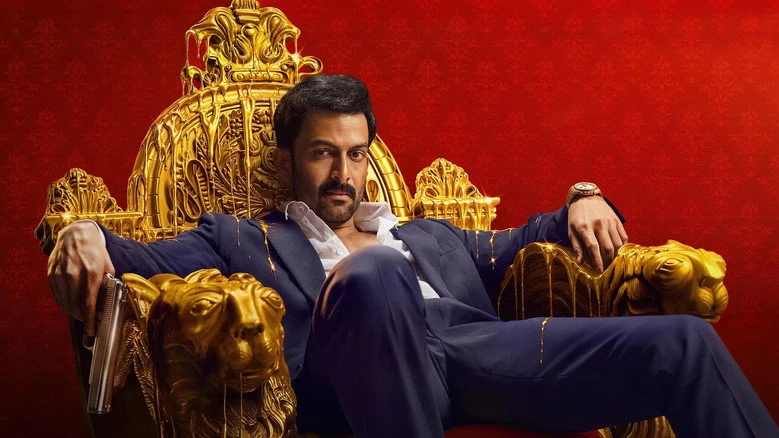
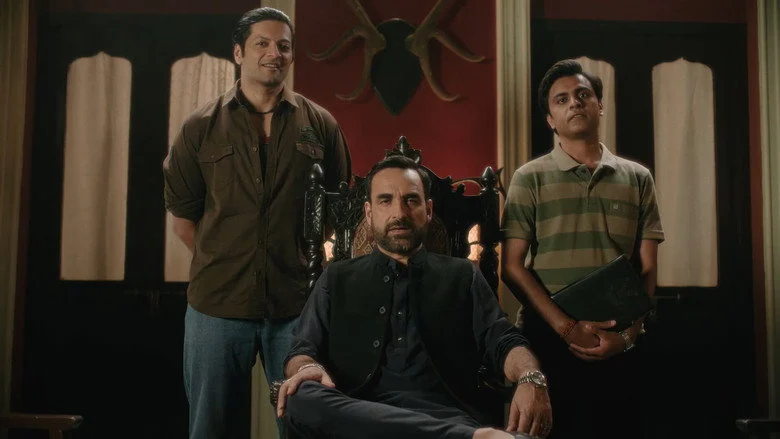
Pankaj Tripathi Owns The Silence Between The Violence
Kaleen Bhaiya was always the show’s gravitational centre, and here, Pankaj Tripathi reminds you why. His performance is a study in controlled menace, where a lowered gaze or a delayed pause carries more weight than any gunshot.
Tripathi does not need to raise his voice to command the frame. He embodies the weary king who has seen too much, and his presence anchors the film’s sprawling narrative with a quiet, terrifying authority.
Ali Fazal And Divyenndu Carry The War Forward
Guddu Pandit has evolved from the impulsive boy we met years ago into a hardened survivor. Ali Fazal channels a simmering rage that feels earned, even when the screenplay’s logic strains to keep him in the game.
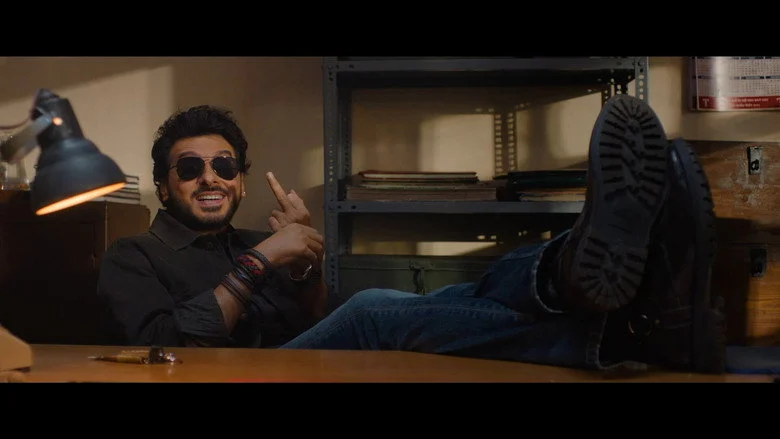
Divyenndu Sharma’s Munna remains the volatile wildcard, a man-child whose tantrums are as dangerous as his ambition. Watching these two collide is where the film finds its most electric friction, even if the script doesn’t always give them the sharpest dialogue to work with.
The Genre Core: A Long, Bloody March Through Familiar Territory
Director Gurmmeet Singh understands the assignment: deliver the gunfights, the betrayals, and the power plays that define the Mirzapur brand. The action is brutal and unrelenting, staged with a rawness that suits the dusty, lawless landscape of the region. A specific scene involving a warehouse ambush stands out for its chaotic, handheld energy that puts you right in the crossfire.
But at 3 hours and 17 minutes, the pacing becomes a double-edged sword. The middle act sags under the weight of its own mythology, spending too much time setting up chess pieces for a climax that feels inevitable rather than surprising. The screenplay by Puneet Krishna is faithful to the series’ tone, but faithfulness doesn’t always translate to cinematic momentum.
There is a difference between epic length and bloated runtime, and this film occasionally confuses the two. The violence is unflinching, earning its A certificate with gusto, but the emotional stakes often get lost in the sheer volume of characters vying for screen time.
Rasika Dugal And Shweta Tripathi Sharma Hold Their Ground
In a world of men fighting for thrones, the women of Mirzapur are the ones actually playing the long game. Rasika Dugal’s Beena is a masterclass in quiet calculation, her eyes perpetually scanning for the next opportunity to survive.
Shweta Tripathi Sharma’s Golu has hardened into a force of nature, a far cry from the girl we first met. Her journey from witness to warrior is the film’s most compelling arc, even if it gets buried under the testosterone-heavy narrative at times.
Mirzapur has always been a political story dressed in crime’s clothing, and the real-world friction followed it to the screen. A Public Interest Litigation sought a stay over violence and obscenity concerns, but the Allahabad High Court refused to halt the release on September 4th, clearing the path for the franchise’s theatrical debut.
While detailed critical scores are still settling, early coverage consistently points to the ensemble as the film’s strongest weapon. The casting alone is a reunion that fans have been waiting for, and the sheer star power on display justifies the big-screen treatment, even when the narrative doesn’t quite match the ambition. For those who have followed the bloodline from the first episode, this is a pilgrimage worth making. For newcomers, it’s a dense, unforgiving entry point into a world that doesn’t offer hand-holding.
If you’ve never seen the series, this is not your starting line. The film assumes you know the history, the grudges, and the body count, and it rewards that prior investment with a grand, violent spectacle. Watch it on the biggest screen you can find, where the gunfire echoes and the performances land with full force.
Mirzapur: The Movie is a fan-service epic that delivers the carnage but struggles with its own sprawl, earning a solid 3 out of 5 for its raw power and star power alone.
For more on the universe of power struggles and gritty storytelling, browse our Hindi Thriller reviews.
This film’s sprawling, multi-character approach finds a fascinating echo in the layered narrative of Beyond Ratings review.
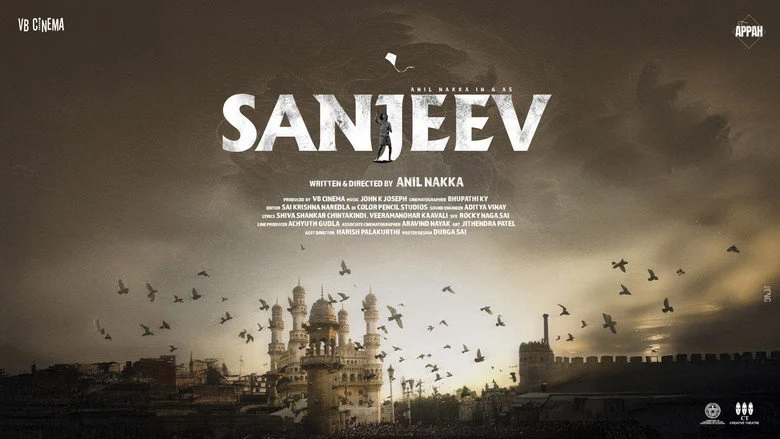
For another look at a film where the cast elevates a patchy screenplay, see how Sanjeev verdict navigates similar structural hurdles.