Hanuman Ansh (2026): A Two-Crore Devotion Story That Outruns Its Own Craft
In its first half hour, a boy named Lakshminarayan loses his mother and begins walking across North India in search of her. Vishal Chaturvedi shoots that search plainly, no gloss, no heavenly choirs, no explanatory voiceover, and the plainness cuts both ways.
Shobhinaw Satyaa acts with his eyes long before he acts the saint
Audiences keep returning to Shobhinaw Satyaa’s eyes, and the reason is structural rather than sentimental. He plays a full transformation without letting dialogue carry it: the boy becomes the Baba on his face first, doctrine second.
His best stretch sits in the biographical middle, where devotion still reads as a wound rather than a settled belief. Even when the film around him wobbles, he holds the arc steady, which is why the 8.9 rating on IMDb, from 8.6K votes, skews so high.
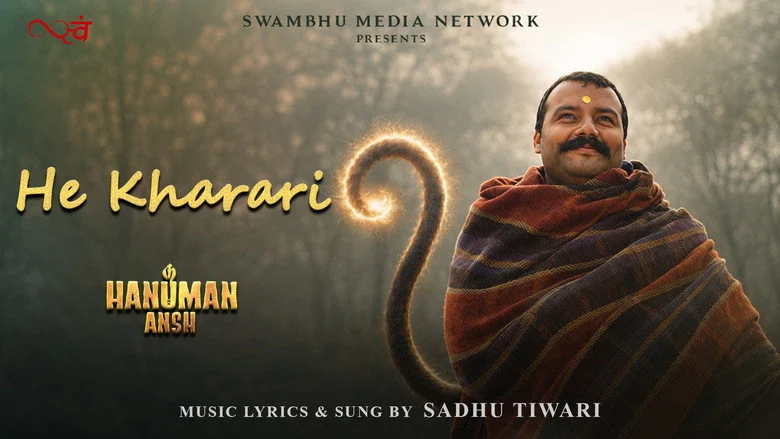
Vishal Chaturvedi writes from his own book, and it shows in both directions
His strength is grounded emotion. He trusts a held face over a swelling score, and the Braj region is filmed with real local texture rather than set-dressing. He is better with silences than with speeches, and the film leans on that.
The flaw is craft discipline. A linear structure pulled from the director’s own book leaves the middle shapeless, closer to pilgrimage than screenplay, and the filmmaking never rises to meet its subject.
The critical verdict was softer than the craft deserved. Simran Singh’s DNA India review settles at 3.5/5, conceding: “It does move you, leaves you impressed, not with the filmmaking, but with the journey of Baba, which deserves to be discussed.”
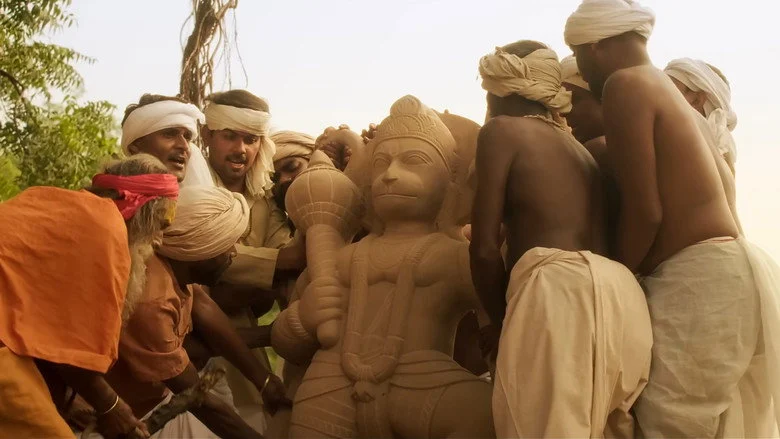
Feeding strangers becomes the film’s real special effect
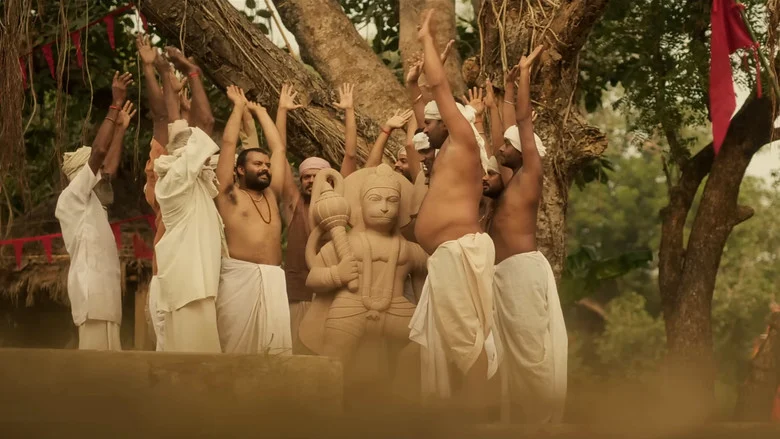
Devotional biography lives or dies on whether the small acts feel earned, and this one knows it. Service is staged as ordinary labour rather than spectacle, chanting Ram, feeding the hungry, sitting with the grieving. There are no divine interventions here, only repetition and routine.
That restraint is the film’s smartest genre decision. When the teachings are dramatised instead of declared, the narrative briefly becomes the thing it is preaching, and the audience response reflects it, slow to start, then impossible to stop. Even the soulful soundtrack stays in service rather than in charge.
Where it sags is the long middle, where incident replaces progression and the pace thins out. The film earns its second half; it does not earn its running time. One tighter edit would have made this genuinely moving rather than intermittently moving.
Hindi Hindi Drama reviews rarely get this much room to breathe, and if that register is yours, there is a deeper shelf worth browsing.
Chandan K Anand and Purnima Tiwari carry the earthly weight
Chandan K Anand plays Bh