Last Man in Tower (2026): Manoj Bajpayee Bets on Stillness in a Shrinking Mumbai
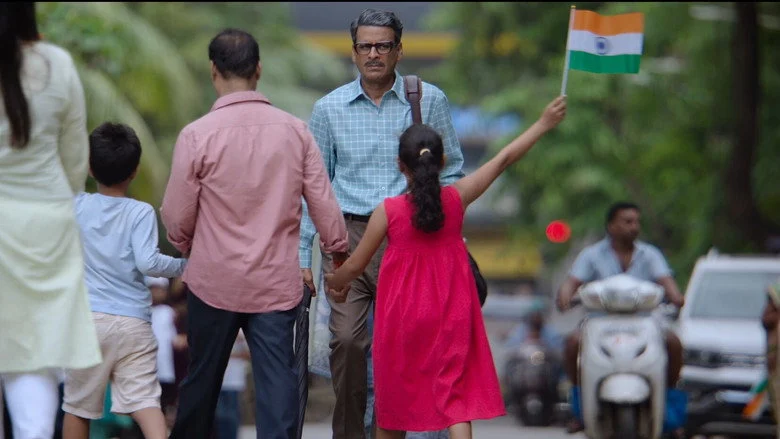
A projector clicks on in a Vakola society hall, and Dharmen Shah’s tower promise settles over the residents. Retired teacher Yogesh Mishra, near the back, keeps his folded hands and one word: no.
Manoj Bajpayee Refuses to Raise His Voice, and That Is the Point
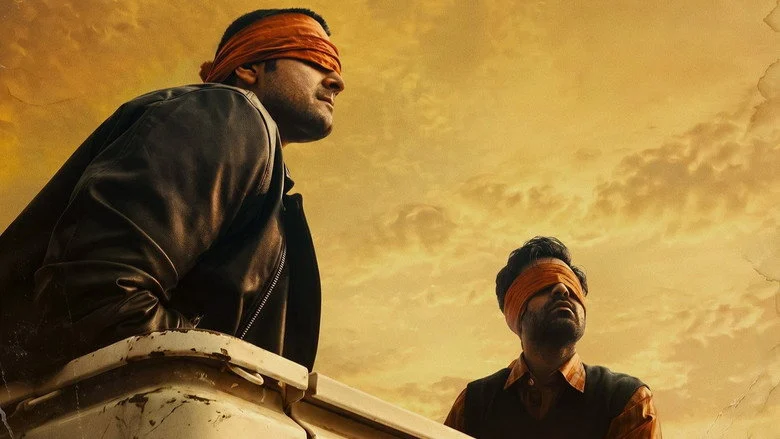
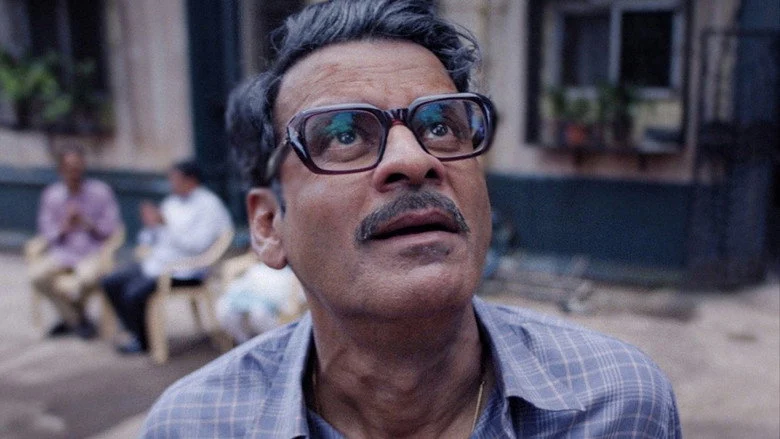
Masterji’s refusals are built on stillness: a shrug, a pause, a hand that will not sign. Bajpayee lets fragility and tenacity occupy the same frame, so the moral centre never becomes a speech. His brief tutoring exchanges with neighbours are where the warmth lives, and where the loss lands.
Ben Rekhi’s Efficient Adaptation Hurries Where the Siege Should Crawl
Rekhi’s adaptation is efficient, and Taraporevala’s screenplay keeps the novel’s central bargain clean and linear. Its real strength is ensemble management, since nobody inside Vishram Society feels decorative or convenient. Squeezing the three-month ultimatum into 97 minutes flattens the siege; later acts hurry where the story needed to crawl.
A Society Meeting Becomes a Vote on Someone’s Dignity
Drama here works as a pressure system rather than an argument: neighbours who share tea begin calculating each other’s worth. The craft lives in small betrayals, averted eyes in the stairwell, a committee meeting that turns into a verdict on a man. That texture is the film’s genuine genre work.
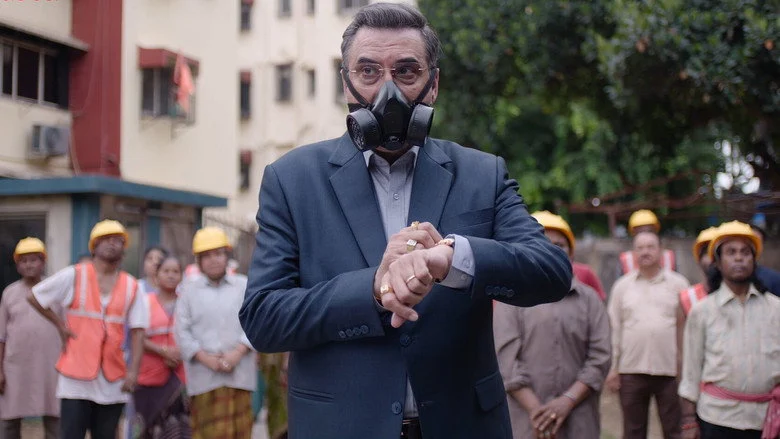
The builder’s offer presentation is the film’s structural hinge, and Boman Irani plays Dharmen Shah with genial menace, never snarling. His first pairing with Bajpayee carries negotiated intensity rather than staged confrontation. Shah doesn’t threaten anyone; he makes the deal sound reasonable, which is far worse.
Mrs Puri’s doorstep confrontations turn a community into machinery, persuasive precisely because they stay polite. I admired the observation without ever feeling indicted by it; The Hollywood Reporter India’s line about “sturdy storytelling that offers no new insight” is hard to dispute. The greed that scorched Adiga’s 2011 satire reads almost quaint in 2026.
Divya Dutta Turns Politeness Into a Weapon in Vishram Society
Divya Dutta plays Mrs Puri as caregiver first, persuader second, which is why the turn lands as tragedy. Her sharp-tongued desperation supplies the only real sting, while Sukant Goel’s pragmatic son adds betrayal without melodrama. Boman Irani gives Dharmen Shah a courteous appetite that makes the offer sound like mercy.
Films that trace how a city’s appetite reshapes its people deserve a longer look, and the Hindi drama reviews archive holds plenty more.
A Flop Opening Says More About the Hype Machine Than the Film
Hindustan Times handed it 3.5/5, the Indian Express 2.5/5; the split is about urgency, not craft. Its loudest story is box office: an India net of 3 lakh on day one, per Koimoi, one of 2026’s lowest openers. No backlash, no censorship fight; viewers praised the colony texture, though some wanted an ending less resigned.
If you want plot, you’ll be restless; if you want behaviour, Bajpayee and Dutta will hold you. It’s small-format work: a regular screen or a quiet OTT night, no IMAX needed. Watch it for the arguments people have while still smiling at each other.
Haiwaan runs on that same star image friction, letting a familiar screen presence strain against unglamorous material.
Last Man in Tower is worth one patient evening, 3.5 out of 5, because Bajpayee’s stillness is the rare thing Bollywood underrates.
That same architecture, one unyielding lone figure holding a line while the world gets louder, shapes Mahendragiri Varahi too.
Readers looking for more hindi drama reviews can explore them on CinePulse.