Sardar 2 (2026): Karthi’s Dual Role Can’t Outrun a Familiar Spy Game
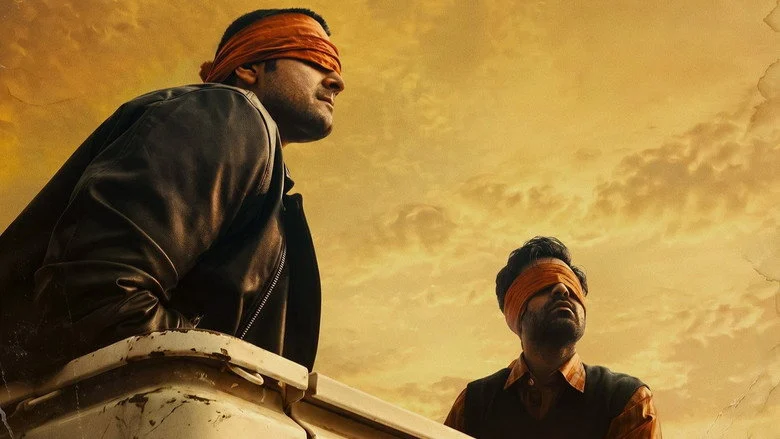
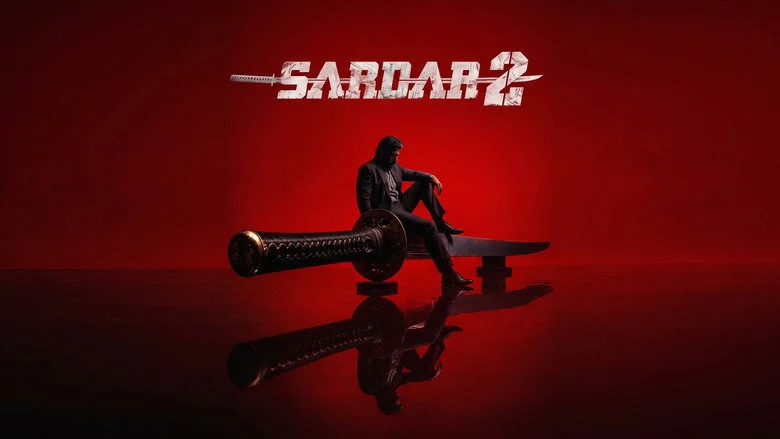
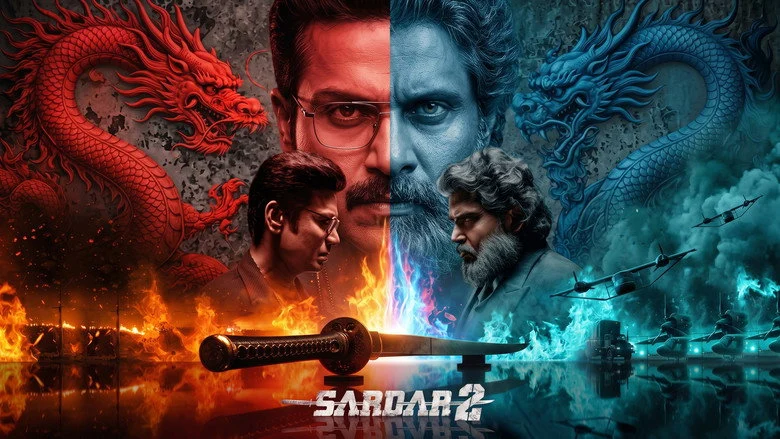
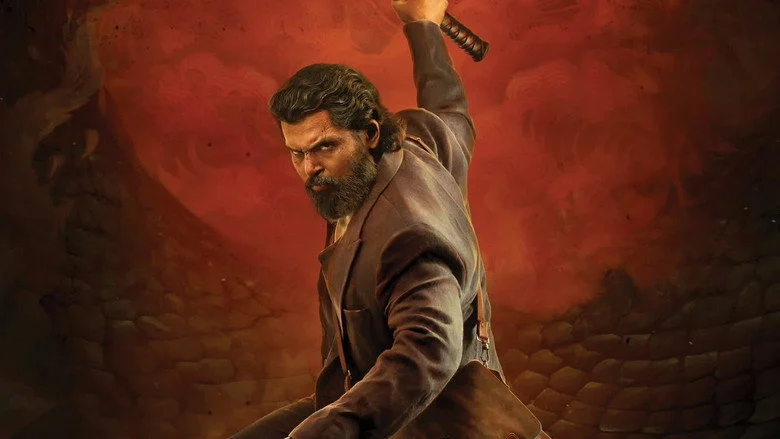
Karthi’s Chandra Bose squares off against S. J. Suryah’s Black Dagger in a confrontation built entirely on trailer-level menace. The sequel-prequel gamble is the boldest thing here, and it is also the safest.
Karthi Doubles Down, But Only One Half Bites
Karthi returns as both Agent Sardar and Vijay Prakash, and the dual role is clearly the film’s commercial engine. He plays the weary spy with a lived-in stillness that the first film never quite allowed him. The Vijay Prakash track, though, feels like a second assignment rather than a second character.
P. S. Mithran Builds a Bigger World, Not a Tighter One
Mithran’s strength is architecture: he stages a franchise that thinks in timelines, not just sequels, and the prequel framing gives the spy world genuine width. The flaw is discipline. With five credited writers, the screenplay keeps widening instead of deepening, and momentum leaks between threads.
A Spy Thriller That Trusts Its Villain More Than Its Setups
The film’s genre instincts are sound on paper. Dual-role protagonist, antagonist-centric build, ensemble staging, every box is ticked before the camera rolls. Ticking boxes is not the same as earning them.
George C. Williams’s camera work gives the espionage material a clean, functional sheen, but the action staging leans on the trailer’s protagonist-versus-antagonist framing rather than fresh geography. Chases arrive, escalate, and resolve without a single image you’ll describe to a friend the next morning.
The sequel-prequel device is the smartest piece of craft on display. It expands the original’s spy-world premise and gives Black Dagger an explicit gravitational pull the first film lacked. That ambition deserves credit, even when the execution around it doesn’t.
For viewers tracking how Tamil spy thrillers are evolving franchise logic, there’s more worth browsing in our Tamil Thriller reviews.
S. J. Suryah Owns the Frame; the Ensemble Just Occupies It
S. J. Suryah’s Black Dagger is the film’s most alive presence, and his casting signals exactly what Mithran wants: a villain who can hold a scene without choreography. Rajisha Vijayan returns as Indhrani with continuity on her side, and her presence anchors the franchise’s memory. Malavika Mohanan and Ashika Ranganath arrive as major additions, but the material gives them scale without specificity.
No Controversy, Just a Franchise Betting on Goodwill
The film arrives without political friction or censorship noise, a rarity for a Tamil spy thriller in this climate. That absence shifts the entire burden onto audience goodwill, and the pre-release conversation has been almost entirely Karthi-and-Suryah driven. Fans of the 2022 original will show up; everyone else is being asked to trust the trailer.
If you’re weighing whether the franchise expansion justifies a ticket, the honest answer depends on what you came for. Karthi and Suryah deliver exactly what the marketing promised. The script around them rarely does.
Fans of films that restructure their own timeline to deepen a franchise should revisit Transition review, which pulls off a similar narrative reordering with sharper discipline.
Sardar 2 is a watchable franchise entry that never becomes an essential one, 2.5 out of 5, and worth the theatrical trip only if Karthi’s dual role is your reason for buying the ticket.
The same appetite for a returning ensemble navigating expanded criminal geography drives Mirzapur verdict.